
Pest problems can quickly turn from a small inconvenience into a serious household concern. Whether it’s ants in the kitchen, termites in wooden furniture, or rodents in storage spaces, choosing the right solution matters. Many homeowners debate between do-it-yourself (DIY) pest control methods and professional pest management services.
This guide explains both options clearly so you can decide what works best for your situation.
Understanding DIY Pest Control
DIY pest control involves using store-bought products, home remedies, or preventive techniques without hiring specialists. It’s a common first step for managing minor infestations.
Common DIY Pest Control Methods
Homeowners typically rely on:
- Sprays and repellents available in local stores
- Natural remedies like neem oil, vinegar, or essential oils
- Traps for rodents and insects
- Sealing entry points and maintaining cleanliness
These solutions are widely accessible and easy to apply.
Advantages of DIY Pest Control
DIY approaches appeal to many households because they offer:
- Lower upfront cost
- Immediate availability
- Convenience and flexibility
- Suitable control for minor infestations
- Reduced scheduling dependence on external services
For occasional ants or mosquitoes, DIY solutions may be sufficient.
Limitations of DIY Pest Control
Despite its convenience, DIY pest control has drawbacks:
- Often treats symptoms rather than root causes
- Limited effectiveness against large infestations
- Incorrect product usage can reduce results
- Risk of repeated infestations
- Safety concerns if chemicals are mishandled ⚠️
DIY methods work best as preventive or short-term solutions rather than long-term strategies.
Understanding Professional Pest Control Services
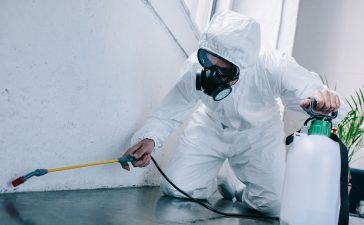
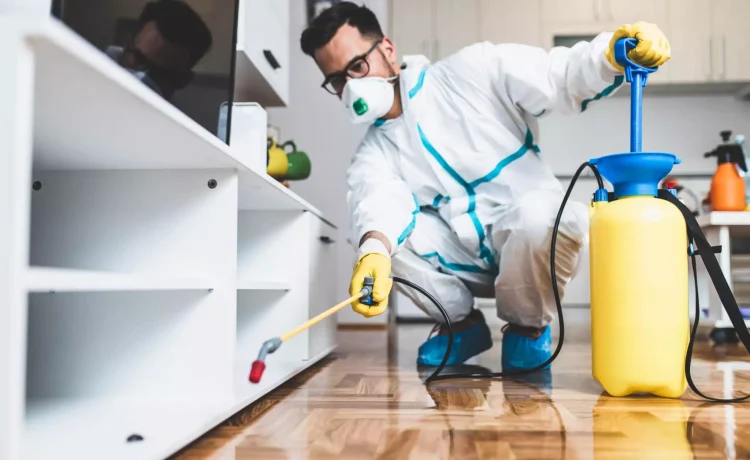
Professional pest control involves trained technicians inspecting your property, identifying pest types, and applying targeted treatments.
These services rely on specialized equipment, regulated chemicals, and structured treatment plans.
Benefits of Hiring Professionals
Professional services provide several advantages:
- Accurate identification of pest species
- Long-term treatment strategies
- Safe and controlled chemical application
- Access to industrial-grade solutions
- Prevention planning for future infestations
Experts don’t just remove pests—they help stop them from returning.
Situations Where Professionals Are Essential
Professional intervention is strongly recommended when dealing with:
- Termite infestations
- Bed bugs
- Rodents inside walls or ceilings
- Repeated cockroach problems
- Large mosquito breeding zones
- Structural pest damage
These cases typically require technical handling.
Cost Comparison: DIY vs Professional Services
Cost is often the biggest deciding factor.
DIY Costs
DIY pest control generally includes:
- Sprays and powders
- Traps
- Protective gear
While individual products are inexpensive, repeated purchases can add up over time.
Professional Service Costs
Professional treatments involve:
- Inspection charges
- Targeted treatment plans
- Follow-up visits
- Warranty coverage (in many cases)
Though initially higher, they often reduce long-term expenses caused by recurring infestations.
Effectiveness Comparison
Effectiveness depends largely on the severity of the infestation.
DIY methods are typically effective for:
- Early-stage infestations
- Seasonal pest issues
- Preventive maintenance
Professional services are more effective for:
- Hidden infestations
- Structural pests
- Recurrences
- Multi-room spread problems
In serious situations, expert treatment delivers faster and more reliable results.
Safety Considerations
Safety should always be a priority when handling pest control chemicals.
DIY treatments may involve:
- Incorrect dosage risks
- Exposure to harmful substances
- Unsafe application near pets or children
Professional technicians follow regulated safety standards and apply treatments responsibly 🛡️
This reduces health risks significantly.
Time and Convenience Factors
DIY pest control requires:
- Research
- Product selection
- Application time
- Monitoring results
Professional services handle everything from inspection to treatment and follow-up visits, saving valuable time ⏳
For busy households, this can be a major advantage.
Environmental Impact
Modern pest management focuses increasingly on eco-friendly practices.
DIY approaches sometimes rely on over-application of chemicals due to uncertainty.
Professional services often use:
- Targeted treatments
- Reduced chemical exposure
- Integrated pest management techniques
- Preventive structural recommendations
This approach minimizes environmental impact 🌱
Which Option Should You Choose?
The right choice depends on the situation.
DIY pest control is suitable when:
- Infestation is small
- Problem is newly detected
- Preventive maintenance is needed
- Budget is limited
Professional services are ideal when:
- Infestation keeps returning
- Structural damage is suspected
- Multiple pests are involved
- Health risks are present
- Long-term prevention is required
Many homeowners successfully combine both approaches—using DIY prevention and professional treatment when needed.
FAQ: DIY Pest Control vs Professional Services
1. Is DIY pest control safe for households with pets?
Some store-bought products can be harmful if misused. Always read instructions carefully and choose pet-safe options whenever possible.
2. How long do professional pest treatments usually last?
Depending on the pest type and treatment plan, protection can last anywhere from a few weeks to several months.
3. Can DIY methods eliminate termites permanently?
No. Termites usually require specialized treatment because they live inside structures and spread unnoticed.
4. Are professional pest control chemicals stronger than store products?
Yes. Professionals use regulated, industry-approved solutions that are typically more effective and longer lasting.
5. How often should pest control be done at home?
Preventive treatment is generally recommended every 3–6 months depending on location and pest activity levels.
6. Do professional services guarantee pest removal?
Many companies provide service warranties or follow-up visits, but results depend on infestation severity and property conditions.
7. Can DIY pest control prevent infestations completely?
DIY prevention helps reduce risks, but it cannot always stop infestations entirely without professional inspection and treatment.