
Kitchen lighting does more than illuminate a workspace. It directly affects safety, efficiency, visibility, and overall comfort while cooking and moving around the space. A well-planned lighting setup supports daily tasks while enhancing the kitchen’s appearance and usability.
Instead of relying on a single overhead fixture, combining multiple lighting types creates a balanced and practical kitchen environment that works smoothly throughout the day. 💡
Understand the Three Essential Types of Kitchen Lighting
Functional kitchen lighting depends on layering three core lighting categories.
These include:
- Ambient lighting for overall brightness
- Task lighting for work areas
- Accent lighting for visual depth and guidance
When used together, they reduce shadows and improve workflow efficiency.
Install Under-Cabinet Lighting for Better Work Visibility
Under-cabinet lighting is one of the most practical upgrades in any kitchen.
It helps:
- Illuminate countertops clearly
- Reduce shadows from overhead lights
- Improve cutting and preparation safety
- Enhance visibility near sinks and stoves
LED strip lights are especially effective because they are energy-efficient and evenly distributed.
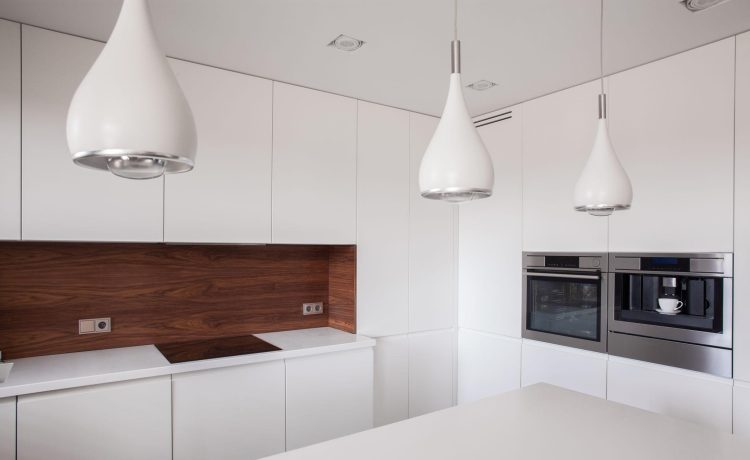
Use Pendant Lights Above Kitchen Islands
Kitchen islands often serve multiple purposes such as preparation, dining, and social interaction.
Pendant lighting helps:
- Define the island as a focal zone
- Improve task lighting clarity
- Add visual structure to the space
- Prevent uneven illumination across surfaces
Spacing pendants evenly ensures balanced coverage across the entire island.
Choose Bright but Comfortable Ceiling Lighting
Ambient lighting forms the base layer of kitchen visibility.
Effective ceiling lighting options include:
- Recessed lighting
- Flush-mount fixtures
- Semi-flush ceiling lights
These fixtures distribute light evenly and prevent dark corners from forming across the room.
Add Task Lighting Near the Sink and Stove
Two of the most frequently used kitchen zones require stronger lighting support.
Focused lighting near these areas helps:
- Improve washing visibility
- Reduce cooking errors
- Enhance safety during food preparation
- Support detailed tasks like chopping and seasoning
Directional fixtures or recessed lights positioned directly above these zones are ideal.
Incorporate Adjustable Lighting for Flexibility
Adjustable lighting allows you to control brightness depending on activity and time of day.
Useful options include:
- Dimmer switches
- Adjustable track lighting
- Rotating spotlights
This flexibility makes the kitchen comfortable for both cooking and casual evening use. ✨
Highlight Storage Areas for Easier Access
Interior cabinet lighting improves organization and accessibility.
Helpful placements include:
- Pantry shelves
- Deep drawers
- Corner cabinets
- Glass-front cabinets
These lights reduce time spent searching for ingredients or utensils.
Improve Safety with Toe-Kick Lighting
Toe-kick lighting is installed near the base of lower cabinets and improves nighttime navigation.
Benefits include:
- Preventing accidental bumps
- Creating subtle pathway guidance
- Supporting visibility without harsh brightness
- Adding a modern layered lighting effect
This feature is especially useful in open-plan kitchens connected to living areas.
Use Natural Light to Support Artificial Lighting
Natural daylight improves visibility while reducing energy consumption.
To maximize daylight:
- Keep windows unobstructed
- Use light-reflective surfaces
- Choose lighter wall finishes
- Avoid bulky window coverings
Combining natural light with artificial lighting ensures consistent brightness throughout the day. 🌞
Select the Right Color Temperature for Kitchen Tasks
Lighting color temperature influences clarity and comfort.
Recommended choices include:
- Cool white (4000K) for preparation areas
- Neutral white (3500K) for balanced lighting
- Warm white (2700K–3000K) for dining sections within the kitchen
Using layered temperature zones improves both practicality and atmosphere.
Position Lighting to Reduce Shadows
Even bright lighting can be ineffective if placed incorrectly.
To minimize shadows:
- Install lights above preparation zones rather than behind users
- Space ceiling fixtures evenly
- Add layered lighting at different heights
- Use under-cabinet lighting for direct surface illumination
Strategic placement ensures consistent workspace visibility.
FAQs About Kitchen Lighting That Improves Functionality
1. How many lighting layers should a functional kitchen have?
A well-designed kitchen typically includes at least three layers: ambient, task, and accent lighting.
2. Are LED lights better than traditional bulbs for kitchens?
Yes. LED lights last longer, consume less energy, and provide clearer illumination for detailed tasks.
3. Should kitchen lighting match lighting in adjacent rooms?
It should complement nearby spaces but remain brighter to support cooking and preparation activities.
4. Is recessed lighting enough for a kitchen?
Recessed lighting works well as ambient lighting but should be combined with task lighting for full functionality.
5. Where should switches be placed for convenience?
Switches should be positioned near entry points and work zones for quick and easy access.
6. Can lighting improve kitchen workflow efficiency?
Yes. Proper lighting placement reduces movement interruptions and helps tasks feel faster and safer.
7. What lighting works best for open-plan kitchens?
Layered lighting with dimmers allows smooth transitions between cooking, dining, and social activities within the same space.