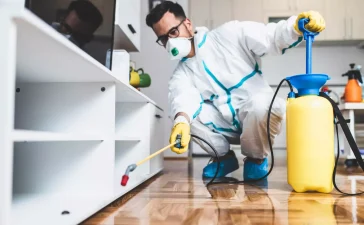

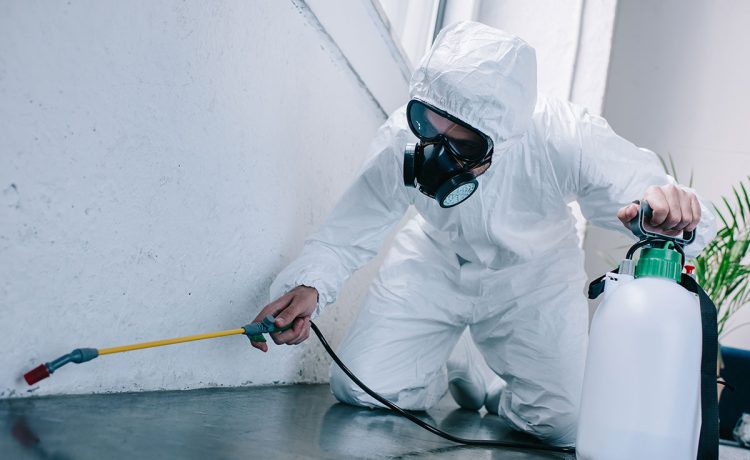
Natural pest control offers a safer and more sustainable way to protect homes and gardens without relying on harsh chemicals. When applied correctly, these methods help manage insects while supporting healthier indoor air quality, safer food production, and balanced ecosystems.
The key to success with natural pest control is consistency. Instead of instant results like synthetic pesticides, these techniques create long-term prevention and protection through simple, practical strategies. 🌿
Why Choose Natural Pest Control Methods?
Natural solutions reduce exposure to toxic substances while still addressing common pest problems effectively.
Major advantages include:
- Safer environments for children and pets
- Reduced chemical residue on food plants
- Lower risk of indoor air contamination
- Protection of beneficial insects like pollinators
- Long-term pest prevention instead of temporary fixes
These benefits make natural approaches suitable for both indoor spaces and outdoor gardens.
Use Neem Oil as a Powerful Plant Protector
Neem oil is one of the most reliable plant-based pest control solutions available.
It works by:
- Interrupting insect feeding behavior
- Preventing larvae development
- Reducing egg laying activity
- Repelling soft-bodied insects
Neem oil is especially effective against aphids, spider mites, whiteflies, and caterpillars when applied weekly during active infestations.
Introduce Companion Planting in Gardens
Certain plants naturally repel pests through scent or chemical properties.
Effective companion plants include:
- Marigolds to deter nematodes and aphids
- Basil to discourage mosquitoes and flies
- Mint to repel ants and beetles
- Lavender to reduce moth activity
Strategic planting creates a natural protective barrier around vegetables and flowers.
Use Vinegar Solutions to Control Ant Trails
Vinegar disrupts scent trails that ants rely on for navigation.
A simple mixture helps:
- Stop ants from returning
- Remove existing scent pathways
- Clean surfaces safely
Spray equal parts water and white vinegar along entry points, window frames, and kitchen surfaces.
Apply Diatomaceous Earth for Crawling Insects
Food-grade diatomaceous earth is a mineral powder that targets insects without harming humans when used correctly.
It helps control:
- Cockroaches
- Ants
- Fleas
- Bed bugs
- Silverfish
Sprinkle thin layers along baseboards, cracks, and garden soil where insect movement is visible.
Encourage Natural Predators in Outdoor Spaces
Beneficial insects act as natural pest controllers in gardens.
Helpful predators include:
- Ladybugs that eat aphids
- Lacewings that target mites
- Ground beetles that reduce larvae populations
- Birds that consume caterpillars and worms
Supporting biodiversity strengthens long-term pest resistance naturally.
Use Essential Oils to Repel Indoor Insects
Many insects avoid strong plant-based scents.
Effective essential oils include:
- Peppermint oil for spiders and ants
- Eucalyptus oil for mosquitoes
- Tea tree oil for flies
- Lemon oil for cockroaches
Mix several drops with water and spray around entry points and corners where insects appear frequently.
Maintain Clean Storage Areas to Prevent Infestations
Prevention is one of the most powerful natural pest control strategies.
Important habits include:
- Sealing dry food containers tightly
- Cleaning crumbs immediately
- Emptying trash regularly
- Keeping pantry shelves dry
Simple hygiene reduces the chances of attracting pests indoors.
Use Garlic Spray to Protect Garden Plants
Garlic contains natural sulfur compounds that repel many plant-damaging insects.
Garlic spray helps:
- Discourage beetles
- Repel caterpillars
- Reduce aphid activity
- Protect leafy vegetables
Spraying once every few days during early infestation stages improves effectiveness.
Block Entry Points Around the Home
Natural pest control becomes more successful when insects cannot enter easily.
Focus on sealing:
- Window gaps
- Door edges
- Pipe openings
- Wall cracks
- Vent spaces
Reducing access points lowers indoor pest activity significantly. 🏠
Rotate Natural Methods for Better Results
Using one method alone may not eliminate pests completely.
Combining approaches such as:
- essential oil sprays
- neem treatments
- cleanliness routines
- entry sealing
- companion planting
creates stronger protection and prevents pests from adapting.
FAQs About Natural Pest Control Methods That Actually Work
1. How long does natural pest control take to show results?
Most natural solutions begin working within a few days, but consistent application over several weeks produces the strongest results.
2. Is natural pest control safe for vegetable gardens?
Yes. Many natural treatments are specifically suitable for edible plants when applied correctly.
3. Can natural pest control replace chemical pesticides completely?
In many cases it can, especially for mild to moderate infestations combined with preventive strategies.
4. Are natural pest control methods effective during all seasons?
Effectiveness depends on pest activity levels, but many methods work year-round indoors and during growing seasons outdoors.
5. How often should natural sprays be applied?
Most plant-based sprays are applied once every 5–7 days or after rainfall in outdoor environments.
6. Do natural pest control methods harm beneficial insects?
Properly targeted applications reduce risks, especially when sprayed directly on affected areas rather than entire gardens.
7. What is the most common mistake when using natural pest control?
Inconsistent application is the main reason natural treatments fail to produce lasting results.