
Outdoor lighting plays a crucial role in making a home both secure and visually inviting. A well-planned lighting setup improves nighttime visibility, highlights architectural features, and enhances the comfort of outdoor spaces. Whether installed around entryways, gardens, or pathways, the right lighting strategy can transform a property’s appearance while strengthening safety.
Below are practical outdoor lighting ideas that balance beauty, function, and long-term value.
Why Outdoor Lighting Matters for Homes 🌙
Thoughtful lighting design improves more than just aesthetics. It contributes directly to safety and usability after sunset.
Key benefits include:
- Improved home security
- Reduced risk of trips and falls
- Enhanced curb appeal
- Extended outdoor living time
- Increased property value perception
Strategic placement makes the difference between ordinary lighting and impactful lighting.
Illuminate Entryways for Better Safety
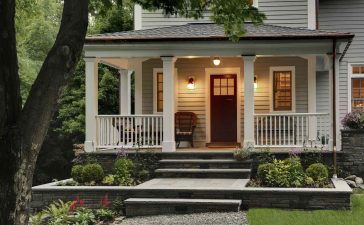
The front entrance is the most important place to start. Proper lighting around doors ensures safe movement and creates a welcoming impression.
Effective entryway lighting options include:
- Wall-mounted fixtures beside doors
- Motion-sensor lights for security
- Warm-toned porch lights
- Overhead pendant lighting for covered entries
These fixtures help visitors feel comfortable while discouraging unwanted activity.
Use Pathway Lighting for Safer Navigation 🚶♀️
Pathway lighting reduces accident risks and clearly defines walking routes.
Install lights along:
- Garden walkways
- Driveways
- Steps and slopes
- Side yard passages
Low-level fixtures placed evenly along paths create both guidance and elegance.
Highlight Landscaping Features 🌿
Outdoor lighting can turn gardens into nighttime focal points.
Consider spotlighting:
- Trees and shrubs
- Flower beds
- Water features
- Decorative stones
- Lawn borders
This technique adds depth and creates visual interest after dark.
Install Motion Sensor Lighting for Security
Motion sensor lighting is one of the most effective deterrents against trespassing.
Best locations include:
- Backyard corners
- Garage entrances
- Side passages
- Rear doors
These lights activate only when needed, improving efficiency and awareness at the same time.
Add Deck and Patio Lighting for Comfort 🪑
Outdoor living areas become far more usable with proper lighting.
Useful patio lighting ideas include:
- Step lighting for elevation changes
- String lights for ambiance
- Recessed deck lighting
- Wall-mounted warm fixtures
Comfortable lighting encourages more time spent outdoors with family and guests.
Choose Energy-Efficient Lighting Options 💡
Modern lighting solutions reduce electricity use while maintaining brightness.
Popular efficient choices include:
- LED fixtures
- Solar-powered pathway lights
- Low-voltage landscape lighting
- Smart timer-controlled systems
These options lower maintenance costs and support sustainable living.
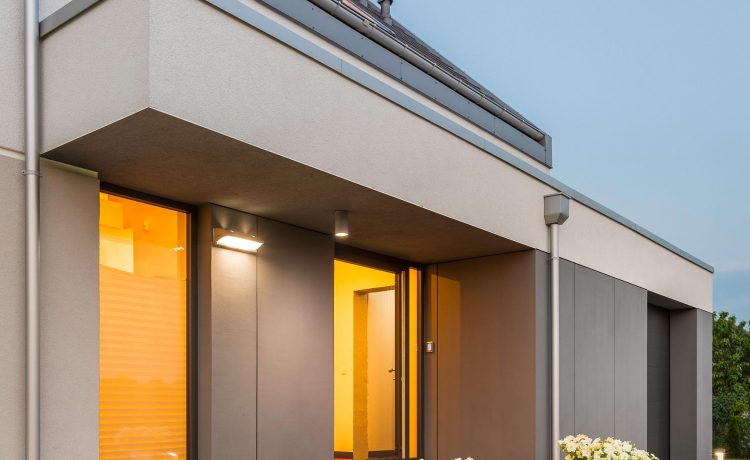
Use Accent Lighting to Highlight Architecture
Accent lighting enhances a home’s design details and adds visual character at night.
Focus lighting on:
- Columns and pillars
- Exterior textures
- Windows and balconies
- Rooflines
Subtle highlighting creates a polished and sophisticated appearance.
Install Step Lighting to Prevent Accidents
Stairs can become hazardous after sunset. Step lighting improves visibility and reduces injury risks.
Helpful placement areas include:
- Entry staircases
- Garden level changes
- Deck transitions
- Basement entrances
These lights combine safety with understated style.
Create Layered Lighting for Balanced Results
Layered lighting uses multiple light sources instead of relying on a single bright fixture.
A balanced setup includes:
- Ambient lighting for general visibility
- Task lighting for movement areas
- Accent lighting for decoration
This combination improves both function and atmosphere.
Use Warm Lighting for a Welcoming Atmosphere
Color temperature influences how a home feels at night.
Warm lighting:
- Feels inviting
- Reduces glare
- Highlights natural textures
- Supports relaxation
Cool lighting is better suited for security-focused areas like garages and side yards.
Position Lights Strategically to Avoid Glare
Poor placement can reduce effectiveness and create discomfort.
To improve performance:
- Aim lights downward when possible
- Avoid direct eye-level placement
- Use shielded fixtures
- Maintain even spacing between lights
Thoughtful positioning ensures comfort and clarity.
Maintain Outdoor Lighting Regularly
Lighting systems require periodic attention to stay effective.
Simple maintenance includes:
- Cleaning fixture covers
- Replacing damaged bulbs
- Checking wiring connections
- Adjusting fixture alignment
Consistent upkeep keeps lighting reliable and attractive.
FAQs About Outdoor Lighting for Safer and Beautiful Homes
1. How bright should outdoor lighting be for residential areas?
Outdoor lighting should provide enough visibility for safe movement without creating harsh glare. Moderate brightness with warm tones usually works best for homes.
2. Is solar outdoor lighting reliable year-round?
Solar lighting works well in areas with regular sunlight but may require backup options in seasons with limited daylight.
3. Can outdoor lighting reduce insurance risks?
Yes, improved visibility around entrances and pathways can lower accident risks, which may positively influence insurance assessments.
4. What height is ideal for pathway lights?
Most pathway lights are effective when installed between 14 and 24 inches high, providing balanced ground illumination without excessive brightness.
5. Should backyard lighting be as bright as front yard lighting?
Backyard lighting usually focuses more on comfort and usability, while front yard lighting emphasizes security and curb appeal.
6. Are smart outdoor lighting systems worth installing?
Smart lighting systems allow scheduling, remote control, and automation, making them convenient and energy-efficient for modern homes.
7. How can outdoor lighting improve neighborhood appeal?
Well-lit homes contribute to a safer and more attractive street environment, which can positively influence the overall impression of the neighborhood.