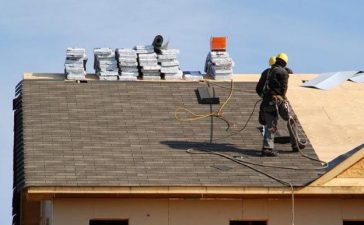


Roofing work can be difficult to plan when homeowners do not yet know the condition of the roof, the amount of work involved, or the materials that may be needed. That is why getting a detailed roof estimate in Tolland is an important early step when considering repairs or replacement. A useful estimate should do more than provide a final price. It should help homeowners understand the proposed work, the factors affecting the project, and what is included before they make a decision.
Homeowners preparing for a roofing project can visit tollandroofers.com to learn more about professional roofing services and the evaluation process. Before comparing estimates, it helps to understand that roofing costs can vary significantly from one property to another. Roof size, slope, accessibility, materials, existing damage, and the amount of preparation required can all influence the scope of the project.
A Roof Estimate Should Start With the Actual Property
Online pricing guides can provide general information, but they cannot account for every detail of an individual home.
Two houses with similar square footage may have very different roofs. One may have a simple design with easy access, while another includes multiple slopes, valleys, dormers, or other features that increase the complexity of the work.
An on-site evaluation allows a roofing professional to consider these differences.
The condition of the existing roof also matters. Visible deterioration, previous repairs, and other concerns can affect what needs to happen before new roofing materials are installed.
Roof Size Is Only One Part of the Calculation
Homeowners sometimes assume roofing costs can be estimated using the home’s interior square footage alone.
However, the roof surface does not necessarily match the footprint of the house. Pitch, overhangs, attached structures, and architectural features can change the total area that requires roofing material.
A steeper or more complex roof can also affect how the project is approached.
For this reason, a professional roof estimate in Tolland should be based on measurements and characteristics of the roof itself rather than a simple assumption based on the size of the home.
Existing Roofing Materials Need to Be Considered
Before new roofing materials can be installed, the contractor needs to understand what is already on the property.
The type and condition of the existing roof can influence the preparation required. Removal and disposal may represent part of the project, and previously completed roofing work can sometimes affect the process.
Homeowners should ask whether removal of existing materials is included in the estimate.
Clarifying this detail makes it easier to compare proposals because one estimate may include work that another lists separately.
Hidden Damage Can Affect the Final Scope
Some roofing problems cannot be fully evaluated until existing materials are removed.
Areas beneath the visible roof surface may occasionally show deterioration or damage that was not apparent during the initial inspection. When this happens, additional work may be necessary before installation continues.
Homeowners should ask how these situations are handled.
A roofing estimate can explain known conditions, but it should also clarify the process for addressing unexpected findings. Understanding how additional work will be communicated and approved can help prevent confusion during the project.
Material Choices Can Change the Estimate
Roofing materials are not all priced or installed in exactly the same way.
Homeowners may have options involving different products, styles, or features depending on the property. Each choice can influence material costs, installation requirements, appearance, and maintenance considerations.
When comparing estimates, homeowners should confirm which materials are actually included.
Two proposals with different prices may not be quoting the same products or specifications. Looking beyond the total allows homeowners to make a more meaningful comparison.
Flashing and Roof Details Deserve Attention
A roof includes more than its primary surface material.
Areas around chimneys, vents, valleys, skylights, and other penetrations require careful attention because they interrupt the continuous roof surface. Flashing and related components help manage water around these transitions.
When reviewing a roof estimate in Tolland, homeowners can ask how these areas will be handled.
Existing components may sometimes be reusable, while other situations can require replacement or additional work. The appropriate approach depends on the condition and design of the roof.
Gutters and Drainage May Be Relevant to the Project
Gutters are separate from the primary roofing material, but they play an important role in directing water away from the roof edge and surrounding property.
During a roofing evaluation, contractors may observe gutter or drainage conditions that could affect the project.
Homeowners should understand whether gutter work is included, excluded, or simply being recommended separately.
This is particularly important if gutters need to be temporarily removed or adjusted during roofing work.
Clear documentation prevents homeowners from assuming a related service is included when it is actually outside the proposed scope.
Ask What Happens Around the Property During the Work
Roofing projects involve more than activity on top of the house.
Materials need to be delivered, old roofing may need to be removed, and debris must be managed. Contractors may require access to certain areas around the building for equipment and cleanup.
Homeowners can ask how landscaping, driveways, outdoor furniture, and other nearby features should be prepared.
The estimate or accompanying project information should also clarify cleanup and disposal responsibilities.
Knowing what to expect can help homeowners prepare the property before work begins.
Compare the Scope Instead of Looking Only at Price
Receiving several estimates can be useful, but simply selecting the lowest number may not provide a complete comparison.
Homeowners should review what each proposal actually includes.
One contractor may include removal, disposal, specific materials, flashing work, cleanup, and other project details within the quoted amount. Another may structure these items differently.
The timeline, warranty information, payment terms, and process for handling unexpected work can also vary.
A detailed roof estimate in Tolland makes these differences easier to identify and gives homeowners better information for evaluating their options.
Ask Questions Before Agreeing to the Project
An estimate should create clarity rather than leave homeowners guessing.
If a line item is unfamiliar, homeowners should ask what it means. If something discussed during the inspection does not appear in the written proposal, they can request clarification before approving the work.
It is also reasonable to ask about the expected project sequence and approximate timeline.
Having these conversations before work begins helps establish shared expectations between the homeowner and roofing contractor.
Use the Estimate as a Planning Tool
A roofing estimate is more valuable when it explains the project rather than simply assigning it a price. Roof dimensions, existing materials, accessibility, product choices, flashing, disposal, and unexpected conditions can all influence the work required. Reviewing these details helps homeowners understand where their budget is going and what they should expect once the project begins.
For homeowners seeking a professional roof estimate in Tolland, Tolland Roofers can evaluate the existing roof and discuss potential repair or replacement options based on the property’s condition. Starting with a clear assessment and detailed project scope can make it easier to plan the next steps with confidence.