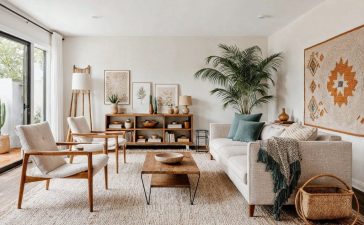

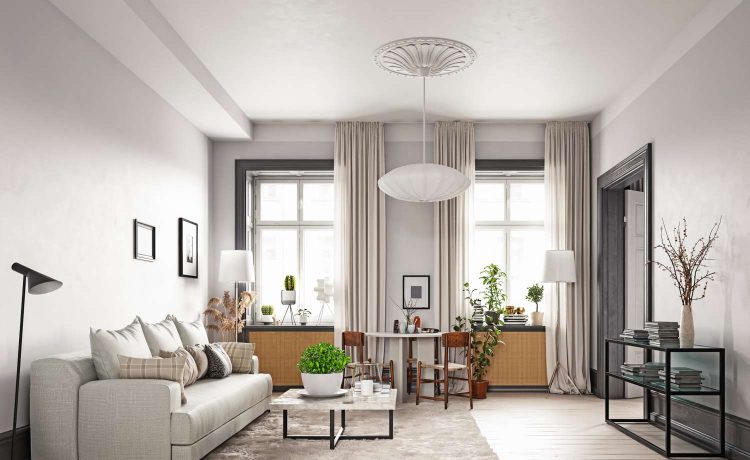
Designing a living space that balances comfort, efficiency, and visual appeal is not about expensive décor or large square footage. It’s about thoughtful planning, smart furniture choices, and cohesive styling. A well-designed living area supports daily routines while reflecting personality and lifestyle.
This guide explores practical strategies to help you create a functional yet stylish living environment that feels intentional, comfortable, and inviting. 🛋️
Understand the Purpose of Your Living Space
Before selecting furniture or colors, define how the room will actually be used. A space designed around real habits always feels more natural and efficient.
Consider:
- Do you entertain guests frequently?
- Is it primarily for relaxation or watching TV?
- Will it double as a workspace?
- Are children or pets active in the area?
Once the purpose is clear, design decisions become easier and more consistent.
Plan a Smart Layout First
Layout determines how functional your living space feels. Even beautiful décor cannot compensate for poor arrangement.
Follow these layout principles:
- Keep clear walking paths
- Avoid blocking natural light sources
- Position seating around a focal point
- Maintain visual balance between furniture pieces
Instead of pushing everything against walls, try floating furniture slightly inward to create a more intentional and welcoming layout.
Choose Multi-Functional Furniture
Smart furniture instantly increases usability without overcrowding the room.
Useful examples include:
- Storage ottomans
- Foldable tables
- Sofa beds
- Nesting tables
- Wall-mounted shelves
These pieces allow your living room to adapt throughout the day while maintaining a clean look.
Create a Cohesive Color Palette
Color connects every element of a living space. A limited palette keeps the room visually calm and organized.
Try this simple structure:
- One base color (walls or large furniture)
- One secondary tone (curtains, rugs, chairs)
- One accent color (cushions, décor pieces, artwork)
Neutral bases paired with warm accents often create a timeless and elegant appearance.
Balance Comfort with Visual Appeal
A stylish room should never sacrifice comfort.
Focus on:
- Ergonomic seating
- Soft textiles like throws and cushions
- Layered lighting
- Proper spacing between furniture
Comfort encourages people to spend time in the space, which is the real purpose of good design.
Use Lighting to Shape the Atmosphere
Lighting influences mood more than most people realize. A layered lighting strategy improves both function and style.
Include:
- Ambient lighting for overall brightness
- Task lighting for reading or working
- Accent lighting for décor highlights
Warm lighting tones typically make living rooms feel more inviting and relaxed. 💡
Incorporate Storage Without Clutter
Hidden storage helps maintain a neat environment while preserving aesthetics.
Effective solutions include:
- Built-in shelving
- Storage benches
- Decorative baskets
- Vertical wall units
Keeping surfaces clear makes even small living rooms feel larger and more sophisticated.
Add Texture for Visual Interest
Texture prevents spaces from feeling flat or overly minimal.
Combine materials such as:
- Fabric upholstery
- Wooden furniture
- Metal accents
- Natural fibers
- Glass surfaces
Layering textures subtly creates depth without overwhelming the room.
Highlight a Focal Point
Every stylish living room benefits from a strong visual anchor.
Common focal points include:
- A statement sofa
- Artwork wall
- Television unit
- Fireplace area
- Large window view
Arrange furniture around this feature to create structure and harmony.
Bring Nature Indoors
Natural elements make living spaces feel calmer and more welcoming.
Simple additions include:
- Indoor plants
- Wooden décor
- Natural fabrics
- Stone accents
Even one or two plants can noticeably improve the atmosphere of a room. 🌿
Keep Personal Style Visible but Balanced
A functional living room should still reflect personality.
Display selectively:
- Travel souvenirs
- Books
- Framed photographs
- Handmade décor
Avoid overcrowding shelves. A few meaningful pieces create stronger visual impact than many random objects.
Maintain Flexibility in Design
Living spaces evolve over time. Choose arrangements and décor that can adapt easily.
Flexible ideas include:
- Modular seating
- Moveable lighting fixtures
- Replaceable cushion covers
- Adjustable shelving systems
Adaptability keeps your space stylish for years without frequent redesign.
FAQs About Designing Functional Yet Stylish Living Spaces
1. How can I make a small living room look stylish without overcrowding it?
Use light colors, vertical storage, slim furniture profiles, and mirrors to create openness while maintaining elegance.
2. What type of sofa works best for functional living spaces?
Sectional sofas work well for families, while compact two- or three-seaters suit smaller rooms and flexible layouts.
3. How often should I update my living room décor?
Refreshing small elements like cushions, lighting accents, or artwork once or twice a year keeps the space feeling current.
4. Are rugs necessary in living room design?
Rugs help define seating zones, improve comfort, and visually connect furniture pieces within the layout.
5. How can I combine modern and traditional styles successfully?
Blend clean-lined furniture with classic textures or vintage accessories to create a balanced transitional look.
6. What is the ideal number of colors to use in a living room?
Three main colors typically create harmony without making the space feel busy.
7. How can lighting improve both style and functionality?
Layered lighting supports daily activities while highlighting décor features and creating a comfortable atmosphere.