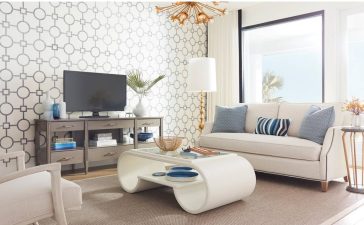

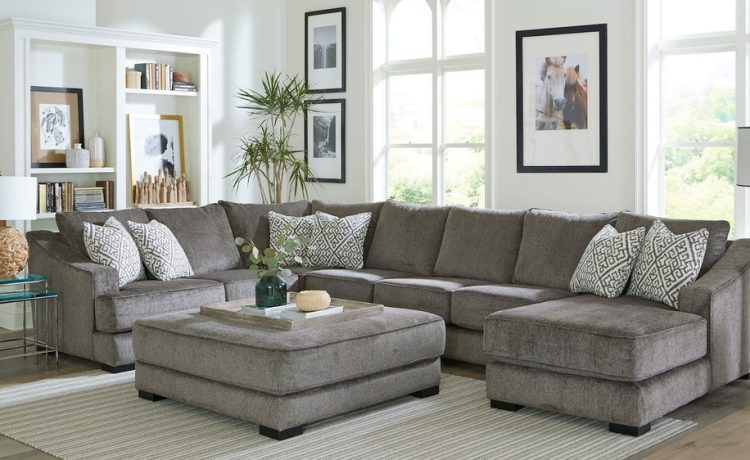
Buying living room furniture is a long-term investment that shapes both the comfort and appearance of your home. Many homeowners focus only on style and overlook practical factors such as size, durability, layout, and lifestyle needs. Avoiding common purchasing mistakes helps create a living room that feels balanced, functional, and welcoming for years to come.
Below are the most frequent furniture-buying errors—and how to avoid them confidently.
Ignoring Room Measurements Before Buying 📏
One of the biggest mistakes is purchasing furniture without measuring the space properly. Even attractive pieces can overwhelm a room if they don’t fit comfortably.
Before shopping:
- Measure wall lengths and floor area
- Check doorway widths for delivery access
- Leave walking space between furniture
- Consider ceiling height for tall units
Correct sizing ensures your living room feels open rather than crowded.
Choosing Style Over Comfort
Appearance matters, but comfort matters more in a frequently used space like the living room.
Test furniture by checking:
- Seat depth and height
- Cushion firmness
- Back support quality
- Armrest comfort
A stylish sofa that feels uncomfortable will quickly become a regret rather than an upgrade.
Buying Furniture Sets Without Planning Layout
Complete matching furniture sets may seem convenient, but they often limit flexibility and make rooms look overly uniform.
Instead:
- Mix complementary pieces
- Combine textures and finishes
- Leave space for movement
- Focus on balance rather than matching everything
A thoughtful layout creates a more natural and personalized living space.
Forgetting About Lifestyle Needs 👨👩👧👦
Furniture should support daily routines, not just look attractive during occasional use.
Consider factors such as:
- Children in the household
- Pets that shed or scratch
- Frequent guests or gatherings
- Work-from-home requirements
Lifestyle-aware decisions prevent unnecessary wear and replacement costs.
Selecting the Wrong Sofa Size
The sofa is the centerpiece of most living rooms. Choosing the wrong size affects the entire layout.
Common sofa-sizing mistakes include:
- Oversized sectionals in small rooms
- Tiny sofas in large spaces
- Blocking windows or walkways
- Ignoring viewing distance from the television
Choose proportions that match both the room and your seating needs.
Overlooking Material Durability
Fabric choice plays a major role in how long furniture lasts.
Reliable material options include:
- Performance fabrics for stain resistance
- Leather for durability and easy cleaning
- Tightly woven upholstery for daily use
- Solid wood frames for structural strength
Durable materials protect your investment over time.
Neglecting Storage Opportunities 📦
Living rooms often serve multiple purposes, making storage essential.
Useful storage furniture includes:
- Coffee tables with compartments
- Storage ottomans
- Media consoles with shelving
- Side tables with drawers
Smart storage keeps the space organized without adding clutter.
Ignoring Lighting Compatibility
Furniture placement should support both natural and artificial lighting.
Avoid placing furniture:
- Directly in front of windows
- Too far from reading lights
- In shadow-heavy corners
- Blocking light pathways
Good lighting improves both comfort and usability.
Forgetting About Traffic Flow
A living room should allow easy movement throughout the space.
Maintain comfortable pathways by:
- Leaving at least two feet between major furniture pieces
- Avoiding tight corners around seating
- Keeping entrances unobstructed
- Positioning tables within reach but out of walkways
Smooth traffic flow makes the room feel more spacious.
Choosing Trendy Pieces That Age Quickly 🎨
Trends change fast, but furniture stays longer.
Instead of following short-term trends:
- Choose neutral base furniture
- Add color through cushions or rugs
- Select timeless silhouettes
- Focus on quality craftsmanship
This approach keeps your living room stylish for years.
Skipping Quality Checks Before Purchase
Visual appeal doesn’t always reflect construction quality.
Before buying:
- Test frame stability
- Check stitching details
- Examine cushion filling
- Confirm warranty coverage
Careful inspection prevents costly replacements later.
Ignoring Scale Between Furniture Pieces
Even well-designed furniture looks awkward when proportions don’t match.
Maintain visual harmony by:
- Matching coffee table height to sofa seat level
- Choosing side tables within arm’s reach
- Keeping rug size proportional to seating layout
- Balancing large and small furniture elements
Proper scaling creates a polished appearance.
FAQs About Mistakes to Avoid When Buying Living Room Furniture
1. How far should a coffee table be from the sofa?
A distance of about 16 to 18 inches usually allows comfortable movement while keeping the table within reach.
2. Is it better to buy furniture online or in-store?
Both options work well, but testing seating comfort in person helps ensure better satisfaction with major purchases like sofas.
3. What furniture should be purchased first for a living room?
Start with essential seating such as a sofa or sectional, then add supporting pieces like tables and storage units.
4. How long should good-quality living room furniture last?
Well-constructed furniture with solid frames and durable upholstery can last between 7 and 15 years depending on usage.
5. Should rugs be selected before or after furniture?
Many designers recommend choosing large furniture first, then selecting a rug that complements the layout and proportions.
6. What is the ideal number of seating options for a living room?
Comfortable living rooms usually include seating for at least four to six people, depending on available space.
7. How can I make a small living room feel less crowded with furniture?
Choose slim-profile furniture, raised-leg designs, lighter colors, and multifunctional pieces to maintain openness and flexibility.